Managing Partner, Ardinois
Pieter Ardinois
Helps European enterprises build the information foundations for trustworthy, scaled AI. Former COO at Xylos.
- 20+ yrs
- in information management & architecture
- 4
- companies founded
- COO
- Xylos, 2025 – 2026
About Pieter
Pieter Ardinois is co-founder and Managing Partner of Ardinois, where he helps European enterprises build the information foundations for trustworthy, scaled AI: information architecture, governance, and the operating models that move AI from experimentation into production. Pieter was previously Chief Operating Officer and Director Enterprise Information Management Solutions at Xylos, and is a founding member of the EthicsTech Forum.
Read moreShow less
Pieter has more than 20 years of experience at the intersection of information, technology and organisation design, spanning solution architecture, data and analytics, enterprise content and information management, and executive leadership in regulated environments. At Xylos (2020–2026), Pieter moved from business development through sales and marketing leadership to running the enterprise information management practice and, as COO, the company's operations.
Before Xylos, Pieter was Director of IT Services at Pauwels Consulting and spent close to a decade building open-source enterprise content management businesses within the Cronos group: as founder and managing partner of RedTree (2010–2017) and managing partner of Formica.digital, delivering document, content and search platforms for European institutions, Belgian government bodies and financial services companies. Pieter also founded streemr.fm, which made radio broadcasts searchable with speech-to-text, music recognition and recommendations.
Pieter studied at HOGENT and Vlerick Business School, hosted the Kleur Bekennen podcast, and speaks regularly on information management and agentic AI, including at the Information Management in the Low Countries (IMLoCo) congress in Rotterdam in November 2026.
Point of view
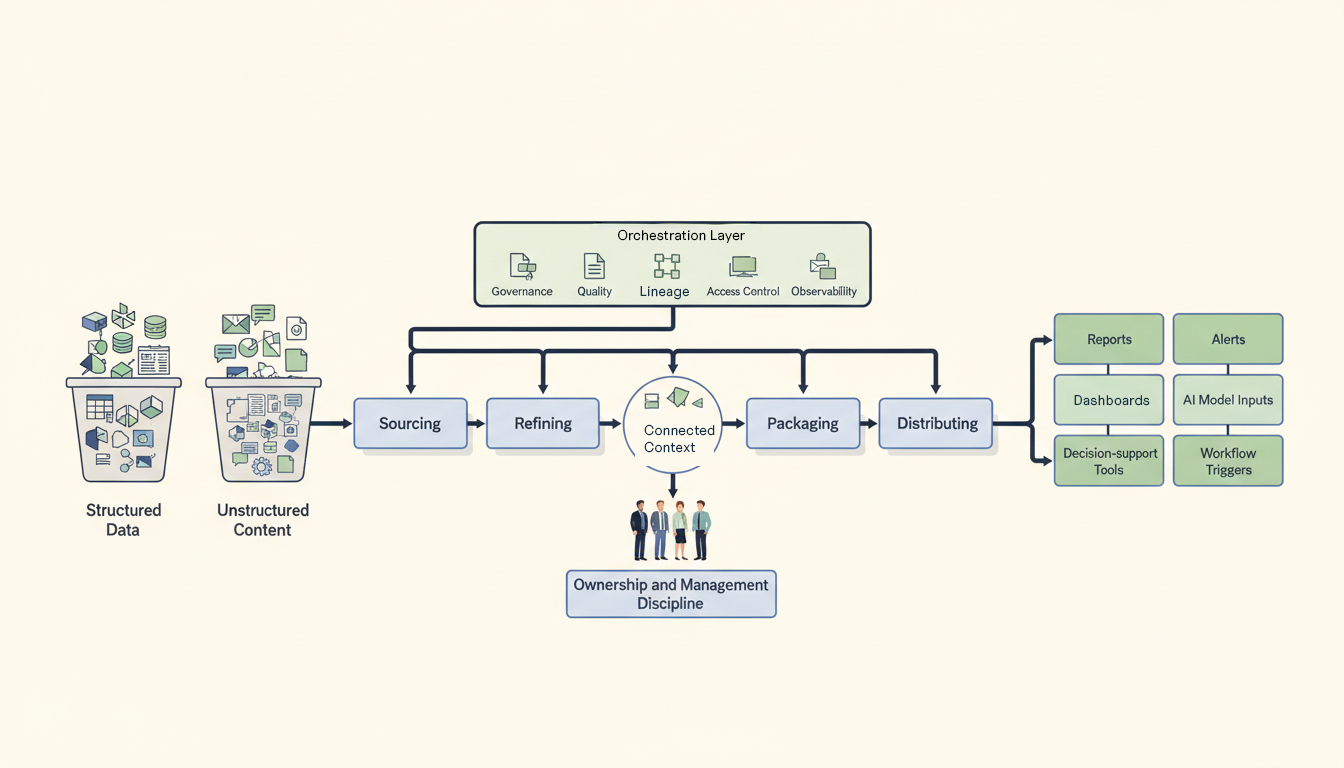
- Information is the raw material of the modern organisation, not a by-product of systems. It has to be designed, industrialised and governed.
- The real transformation starts when AI moves from informing people to acting within processes. Systems inform, act and run; only people own.
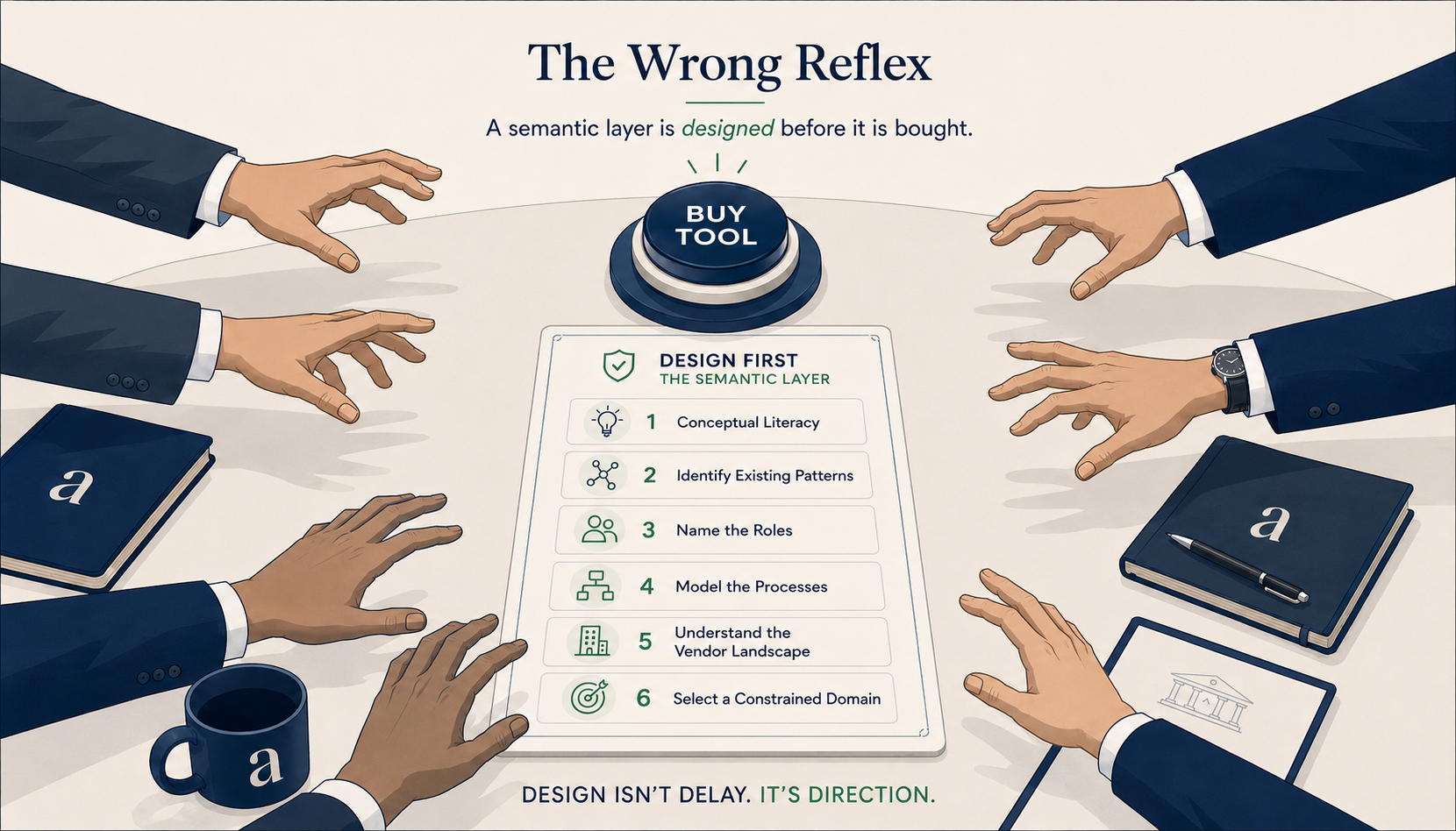
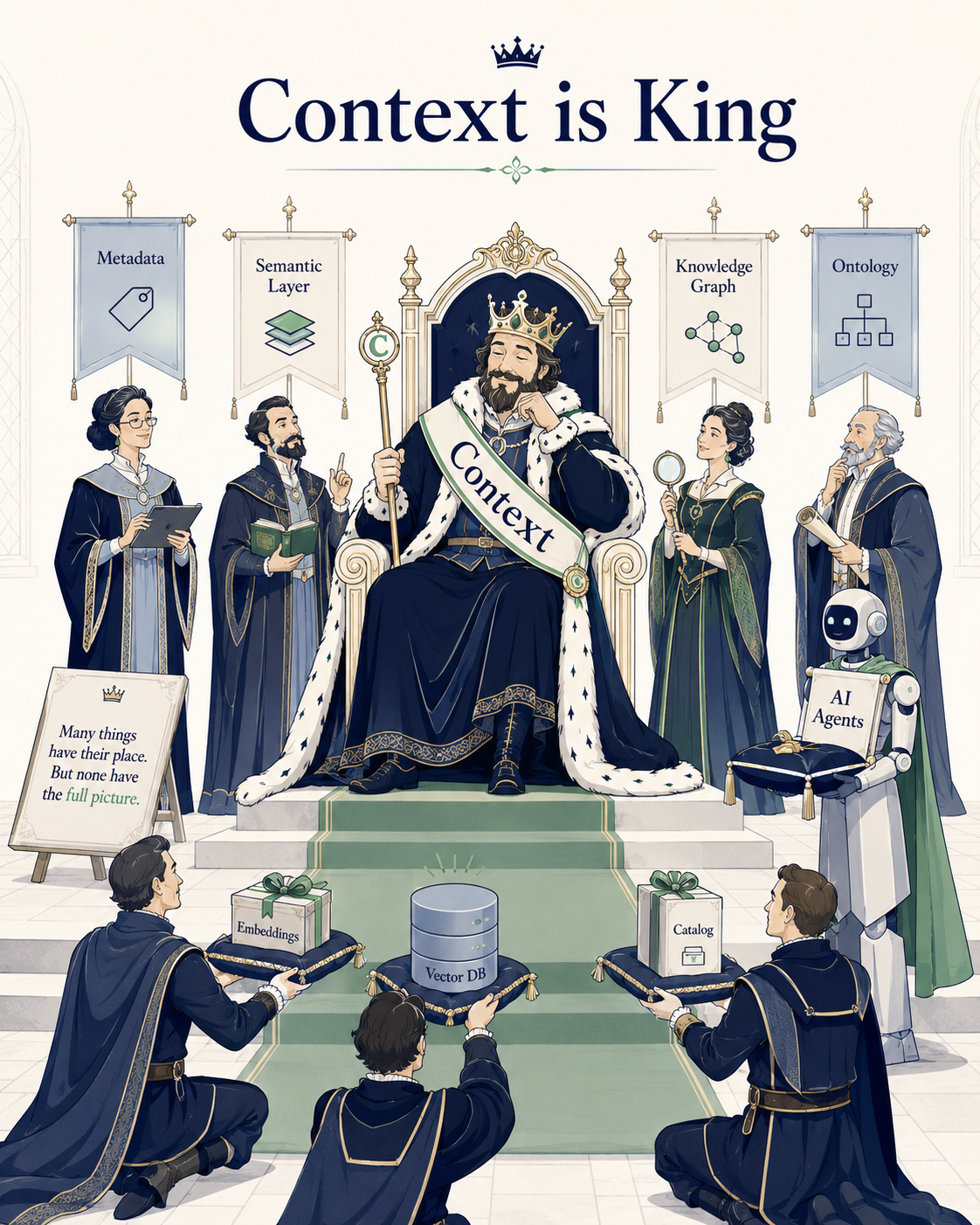
- Agents are only as good as their context, and the discipline of authoring trustworthy context cannot be bought from a vendor.
- Adoption is not readiness. Conceptual AI literacy is what turns usage into impact.
How to work with Pieter
- Information diagnostics: where information is produced, who governs it, and what AI can safely rely on.
- Governance and decision-rights design for agentic AI — which decisions are automated, supported or escalated.
- Operating model design that connects information, data and AI teams to business domains.
- Executive workshops, AI literacy programmes and keynotes.