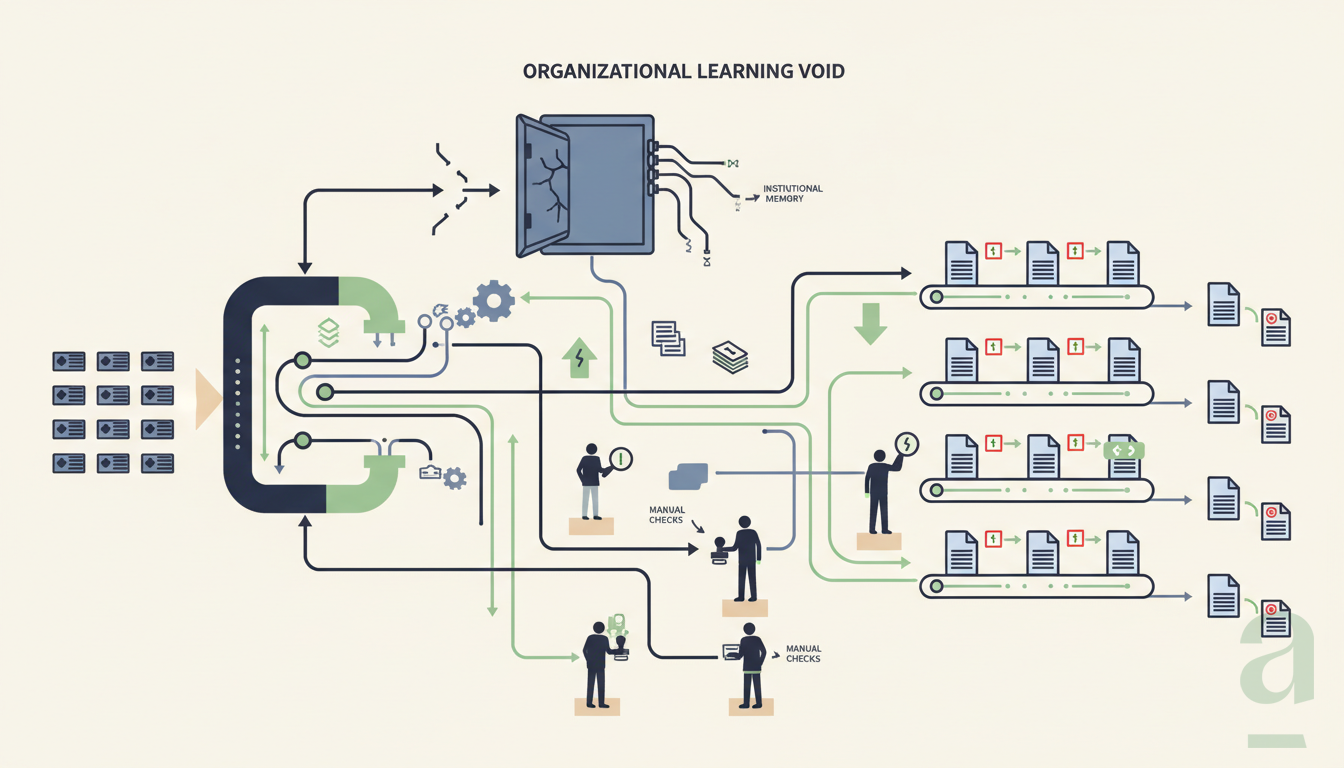
Sensors, MES, ERP, quality and maintenance systems already produce more than the business uses. The step from assistants to AI agents that act, on documents, on payments, on quality events, on master data, needs a shared meaning across OT and IT and an owner for it.
Book a Data & AI Readiness Assessmentof OT data is left unanalysed at the edge — never reaching the systems that could turn it into a decision.
Every modern line generates terabytes of telemetry. Most of it dies on the PLC. The fraction that reaches the historian is rarely joined to quality, maintenance, supply, or finance data — which is where the operational decisions actually live.
Meanwhile, the COO is asked about AI. The plant manager is asked about OEE. And the data team is asked to deliver both, on top of a backlog of report requests, with no single answer for what to prioritise.
A curated set of use cases — chosen for the impact they've had in real industrial estates, not the breadth of a vendor catalog. Each one earns its place on OEE, quality, cost, or resilience.
Inline vision and process-parameter models that catch drift before it becomes scrap. Setpoints tuned against downstream defect data.
Failure-mode forecasting on critical assets. Scoped honestly — deployed only where the cost of failure justifies the cost of the model.
Energy intensity per unit produced — instrumented and tuned against real-time price signals, ESG targets, and production constraints.
A virtual representation of process, line, or product — kept current with reality. Used from engineering through production to service.
Supplier health, commodity prices, and logistics signals monitored continuously. Get ahead of shortages — not behind them.
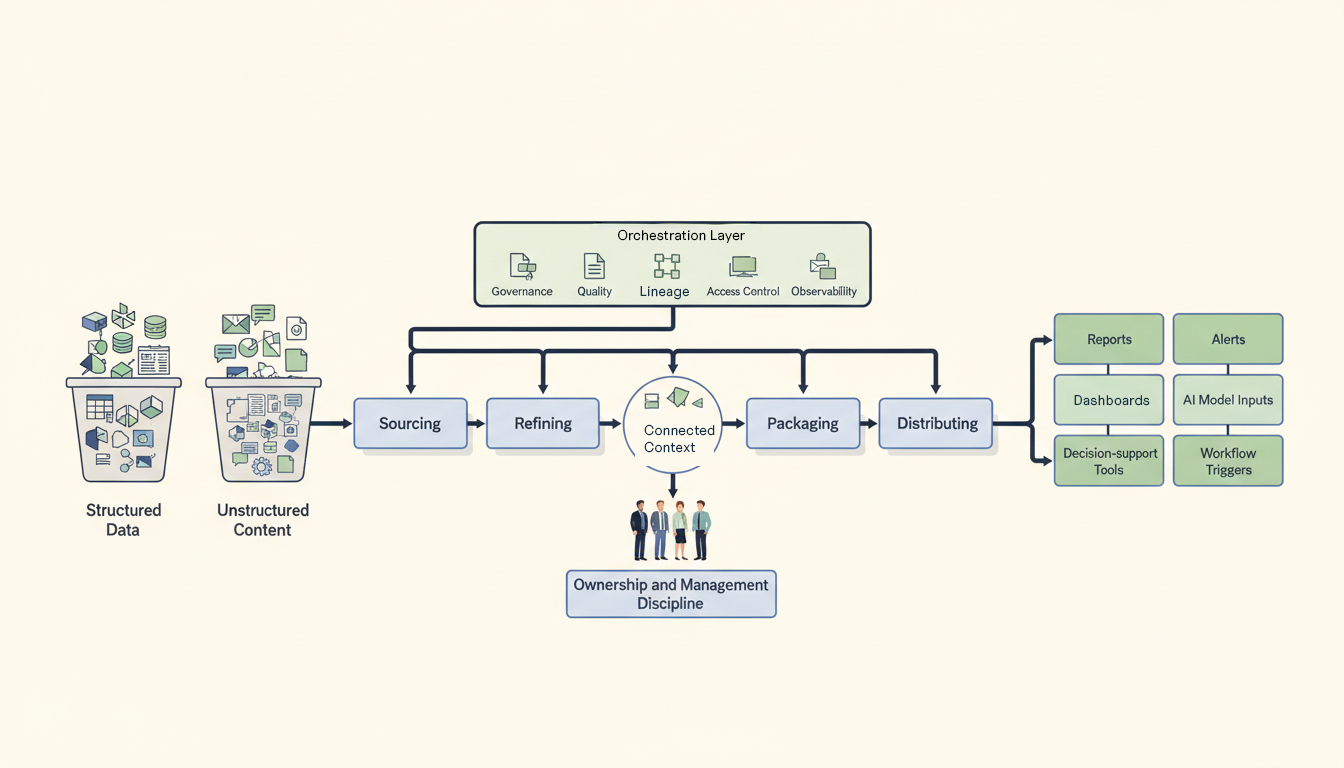
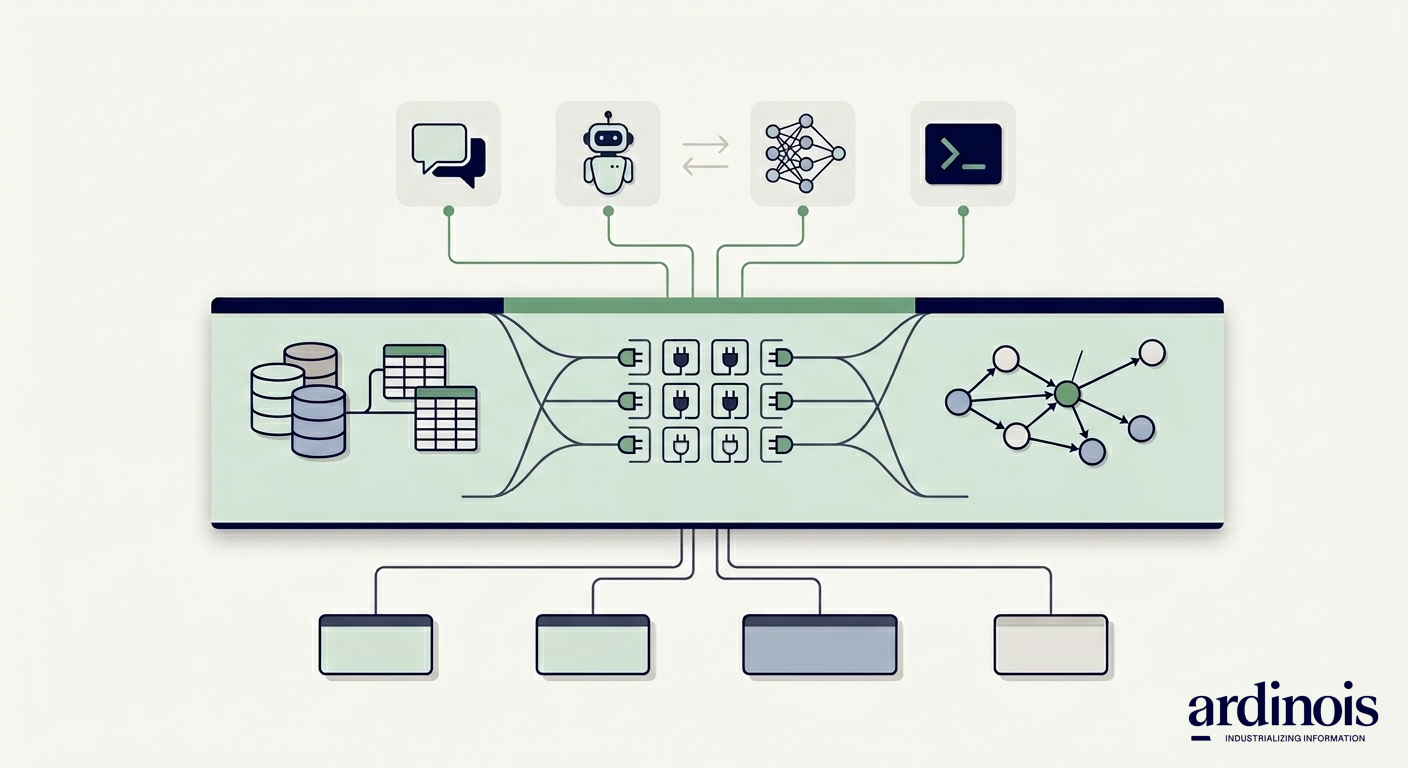
Part, asset, site, and process mean the same thing whether you're in PLM, MES, ERP, or the historian. The unlock isn't another integration project — it's a shared semantics layer that lets AI work across the plant network instead of inside each system.
Three phases, one architecture. Each phase produces something the next stands on, and each ends with a decision the organisation can take without us.
The gaps between the assistants in place and the work that could be handed over.
Foundational architecture, decision register, platform requirement and selection where needed.
Governance, components and builder teams until each element has an owner inside.
A historian stores data; an MES runs operations. Neither answers whether your estate is ready to support AI decisions at the line, the plant, and the network. That's what the readiness assessment tells you.
Yes. The assessment explicitly looks at plant-level autonomy versus network-level standards, and the portfolio is sequenced to balance lighthouse pilots with scalable rollouts.
Yes. We're vendor-independent. We assess your current estate as-is and recommend the smallest viable change to get you to your target posture.
The assessment delivers a usable roadmap in 4–6 weeks. The first pilot typically goes live within two quarters. Measurable business impact tracks the pilot's success metrics.
30 minutes. Tailored to manufacturing. No pitch deck, no obligation.